Beyond antidepressants: new frontiers in treating depression
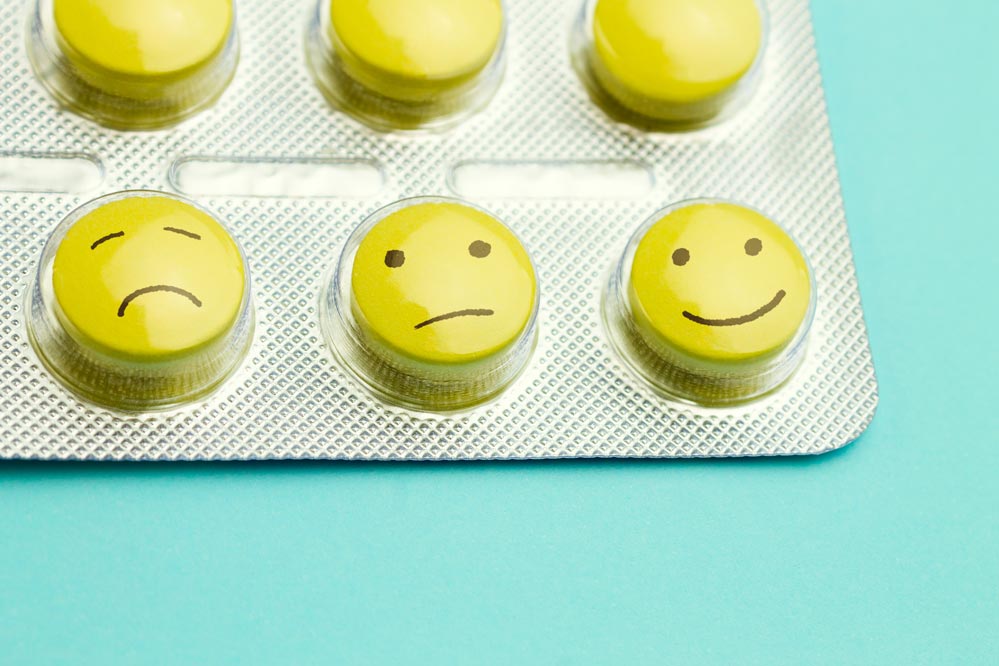
As rates of depression continue to rise globally, more people are turning to alternative approaches for treatment and prevention. But how effective are psychedelic drugs, mindfulness techniques, and physical fitness in treating the leading cause of disability worldwide? New findings will be presented at Neuroscience 2026, the annual meeting of the Society for Neuroscience and the world’s largest source of emerging news about brain science and health.
New findings:
- Researchers identified markers from blood plasma that predict whether psilocybin and ketamine therapies will be effective for treating an individual’s depression. (Tracy L. Bale, University of Colorado Anschutz)
- Among adolescents who completed an online mind-body intervention (MBI), decreases in gray matter volume in a region of the brain (the cingulate cortex) were associated with a reduction in depressive symptom scores. (Roma Kidambi, Stony Brook University’s Renaissance School of Medicine)
- Cognitively unimpaired older adults with depression had thinner brain tissue in a particular region of the brain; the thinner tissue might be partly explained by higher body mass index (BMI, which is more common in people with depression. This suggests that brain differences associated with depression may be partly connected to factors like weight. (Meredith Braskie, Keck School of Medicine of University of Southern California)
The event will be moderated by Eric Nestler, MD, PhD, one of the world’s top depression researchers, whose work has transformed scientists’ understanding of the root causes of the disorder. “The research presented at Neuroscience 2026 makes important strides towards the goal of precision treatments for depression,” said Nestler, who serves as Anne and Joel Ehrenkranz Dean of the Icahn School of Medicine at Mount Sinai.
For complete access to Neuroscience 2026 in person and online, request media credentials. This research was supported by national funding agencies, including the National Institutes of Health and private funding organizations. Find out more about depression and the brain on BrainFacts.