Global cancer care workforce gap to hit 100 million
The Lancet Oncology Commission warns the shortfall, driven by rising cancer rates and workforce gaps, will place significant strain on health systems worldwide, with the largest shortages expected in nursing and diagnostic roles.
Professor Andrew Scott, from Melbourne’s Olivia Newton-John Cancer Research Institute affiliated with La Trobe University as the School of Cancer Medicine, was the only Australian researcher on the international commission.
Currently an estimated one in three cancers are undiagnosed worldwide, with more than 60 per cent of cancers remaining undiagnosed in some regions of Africa.
The study projects a continuing inequality in survival outcomes, with significantly lower survival rates projected in low and middle-income regions, such as Africa (34 per cent) and Asia (39 per cent), while reaching beyond 60 per cent in high-income areas such as North America and Oceania.
Professor Scott’s clinical and research interests are focused on developing innovative strategies for targeted therapies and molecular imaging in oncology. He said addressing workforce shortages, particularly in medical imaging, was critical to improving outcomes in Australia and around the world.
“Identifying gaps in the workforce for imaging of cancer patients is essential to ensuring correct diagnoses and treatments are available for patients in all countries,” Professor Scott said.
In Australia, the findings highlight the importance of investing in imaging services and workforce capacity, particularly in regional areas where access can be limited.
Professor Scott said medical imaging must be available across Australia as early identification of cancer was primarily through imaging studies.
“Medical imaging is essential for the active treatment of cancer patients and workforce requirements are a key component of delivering safe and effective treatment in the Australian healthcare system,” Professor Scott said.
The Cancer workforce – a global crisis: a Lancet Oncology Commission calls for urgent national and global action, including stronger workforce planning, targeted investment in training and expanded access to diagnostic and treatment services to meet growing demand.
The report finds that scaling up the cancer workforce could avert up to 170 million deaths and cut mortality by about 40 per cent, while delivering significant economic benefits.
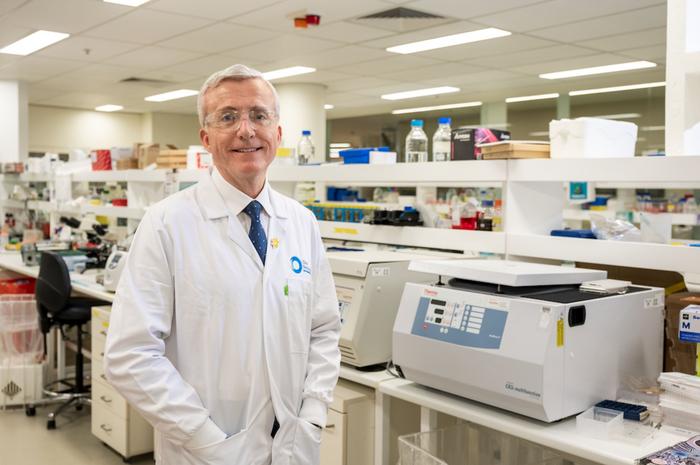
Image: Professor Andrew Scott, from Melbourne’s Olivia Newton-John Cancer Research Institute affiliated with La Trobe University as the School of Cancer Medicine, is the only Australian researcher on the international commission.
View more Credit: Olivia Newton-John Research Institute