In children, the risk of long COVID increases after reinfection
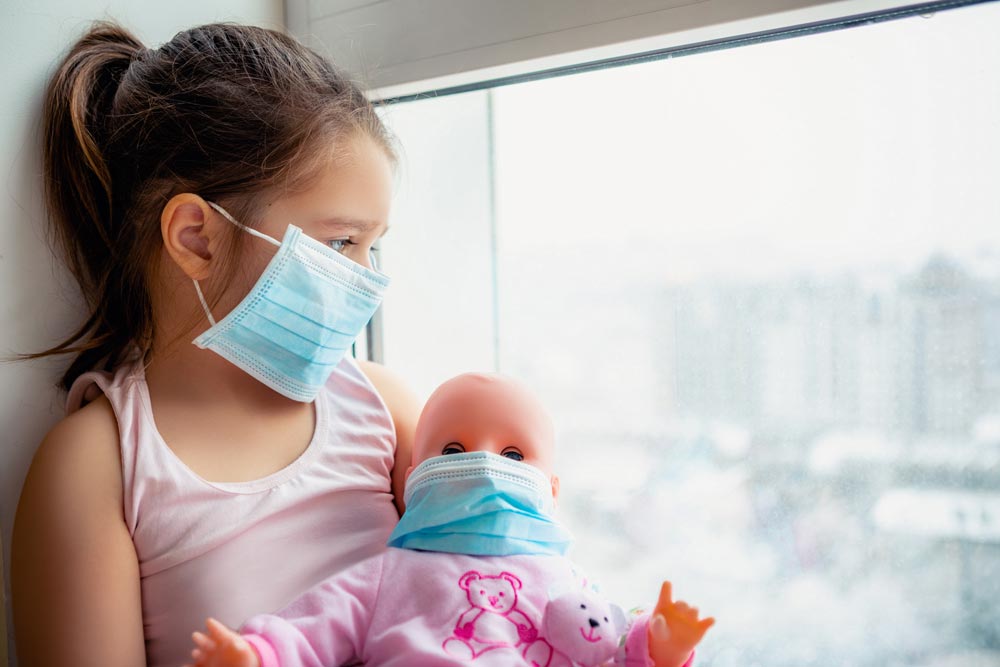
Children and adolescents are at a significantly higher risk of various SARS-CoV-2 infection (PASC/long COVID) outcomes after reinfection with SARS-CoV-2, researchers reported in Lancet Infectious Diseases on September 30, 2025.
“These findings add to previous evidence linking pediatric long COVID to multisystem effects and highlight the need to promote vaccination in younger populations and support ongoing research to better understand PASC, identify high-risk subgroups, and improve prevention and care strategies,” the authors said.
As background, the authors noted that while prior studies have sought to describe long COVID in children and adolescents after an initial infection, the risk of long COVID after reinfection with the omicron variant has remained unclear. The goal of the new study was to assess the risk of long COVID diagnosis and of symptoms and conditions potentially related to long COVID in children and adolescents after a SARS-CoV-2 reinfection during the omicron period.
For this retrospective study, the investigators analyzed data from 40 children’s hospitals and health institutions in the USA participating in the Researching COVID to Enhance Recovery (RECOVER) Initiative.
All subjects were under 21 years-old at the time of enrollment, had a documented SARS-CoV-2 infection after Jan 1, 2022 and had at least one health-care visit within 24 months to 7 days before the first infection.
The second SARS-CoV-2 infection was confirmed by positive PCR, antigen tests, or a diagnosis of COVID-19 that occurred at least 60 days after the initial infection.
The primary endpoint was a clinician-documented diagnosis of long COVID.
The researchers identified 407,300 (87·5%) with a first infection episode and 58,417 (12.5%) with a second infection episode from Jan 1, 2022, to Oct 13, 2023, in the RECOVER database. Mean age was 8.17 years-old
The investigators reported that after a first COVID-19 infection, about 904 children per million developed long COVID within six months. And after a reinfection, this number more than doubled to approximately 1,884 children per million.
The higher risk of long COVID after a second infection appeared in many different groups in the study, regardless of whether they were vaccinated, how serious their first illness was, their age, gender, race or ethnicity, or whether they were living with overweight or obesity.
Reinfection was associated with a significantly increased risk of an overall long COVID diagnosis and a range of symptoms and conditions potentially related to such a diagnosis, including myocarditis, changes in taste and smell, thrombophlebitis and thromboembolism, heart disease, acute kidney injury, fluid and electrolyte disturbance, generalized pain, arrhythmias, abnormal liver enzymes, chest pain, fatigue and malaise, headache, musculoskeletal pain, abdominal pain, mental ill health, POTS or dysautonomia, cognitive impairment, skin conditions, fever and chills, respiratory signs and symptoms, and cardiovascular signs and symptoms.
The authors noted that the increased risk of long COVID after reinfection highlights the continued importance of preventing COVID-19 infections, through vaccination and other protective measures such as masking and social distancing.