A new plan to end Bovine TB: What the 2026 strategy means for cattle practice
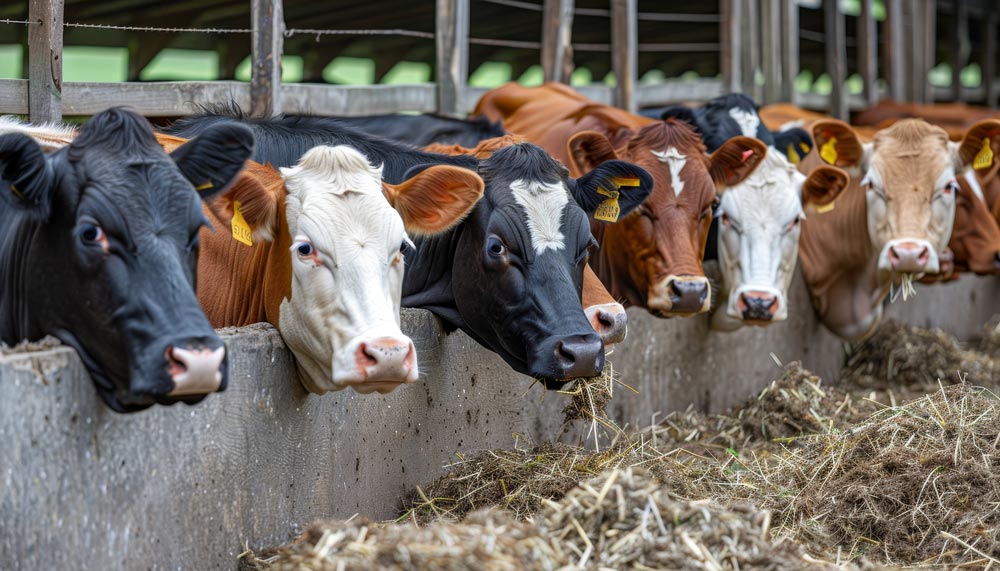
A new eradication strategy, published this month, sets out the most ambitious programme yet to eliminate bovine tuberculosis from English cattle herds. With a cattle vaccine targeted for deployment by 2030 and TB-free status the goal by 2038, the plan marks a significant shift in how the disease is understood and managed.
Progress Made – and Why It Is Not Enough
Bovine TB remains one of the most costly and persistent animal health challenges in the UK. In 2025 alone, more than 20,500 cattle were slaughtered in England as a result of the disease, at a programme cost exceeding £100 million. Yet the picture is not entirely bleak. Herd prevalence has fallen from a peak of 6.4% in March 2018 to 3.5% by the end of 2025 – the lowest level recorded in two decades.
The strategy published on 10 June 2026 – developed by an independent steering group convened by Defra and drawing on input from more than 100 farmers, vets, scientists and government representatives – acknowledges that fall but cautions against complacency. The document states plainly that doing more of the same will not be enough and calls for a step change in pace and approach.
Cattle at the Centre
One of the most consequential findings underpinning the new strategy is the revised understanding of where transmission actually occurs. Recent research suggests that around 16 in every 17 bovine TB infections spread between cattle. This is largely through undetected disease and livestock movements rather than from wildlife reservoirs. This evidence places cattle firmly at the heart of disease control and reshapes where intervention will have the greatest impact.
The strategy’s three core priorities reflect this understanding:
- Reducing TB transmission within and between cattle herds
- Strengthening surveillance, testing and data-driven decision-making
- Giving farmers and vets the tools, flexibility and local authority to act decisively
The Vaccine and the DIVA Test
The most widely anticipated element of the strategy is its commitment to deploying a cattle BCG vaccine – combined with a DIVA (Differentiate Infected from Vaccinated Animals) test – by 2030. An application for the vaccine has already been submitted to the Veterinary Medicines Directorate, and work is underway to secure international regulatory recognition, which will be important for maintaining trade.
The DIVA test is a critical companion to the vaccine. Standard tuberculin skin tests cannot currently distinguish a vaccinated animal from an infected one. This is a limitation that has blocked vaccination programmes in the past. The DIVA test resolves this by enabling the identification and removal of genuinely infected animals within a vaccinated herd, preserving the integrity of disease surveillance while allowing vaccination to proceed at scale.
The British Cattle Veterinary Association has specifically welcomed the 2030 vaccine deployment commitment, describing it as a powerful tool to block TB transmission between cattle. The British Veterinary Association has also expressed support, noting the strategy’s alignment with science-led, collaborative principles.
What This Means for Practice
For veterinary practices working with cattle, the strategy signals a period of meaningful change. Strengthened cattle movement controls take effect from 1 July 2026, and changes to compensation policy, including reduced payments for owners of TB-affected herds with overdue tests, are also being introduced to reinforce compliance. Enhanced testing protocols and more targeted use of local data are intended to improve the speed and precision of outbreak response.
Perhaps the most significant long-term shift is the strategy’s emphasis on local leadership. Practices will be expected to take a more active, proactive role in herd health planning – working with farmers to interpret TB data, apply biosecurity measures, and adapt interventions to local conditions. The model moves away from a centrally dictated approach toward one in which vets and farmers share genuine ownership of disease management.
Defra has welcomed the recommendations and is now considering its formal response. Ministers have not yet committed to a timeline for adoption, but the direction is clear. After years of incremental progress, the ambition to reach Officially Bovine TB-Free status in England by 2038 is now backed by a more coherent plan than has previously existed.
Sources
University of Cambridge / Zoological Society of London – New Strategy to Tackle Bovine TB in England (June 2026)
Farmers Weekly – TB Cattle Vaccine Set for Rollout by 2030 in England (June 2026)
GOV.UK – Government Welcomes Expert-Led Recommendations for a New Bovine TB Eradication Strategy (June 2026)
GOV.UK – Strengthened Cattle Controls to Help Eradicate Bovine TB (June 2026)