Red alert: what the UK’s record June heatwave means for animal health
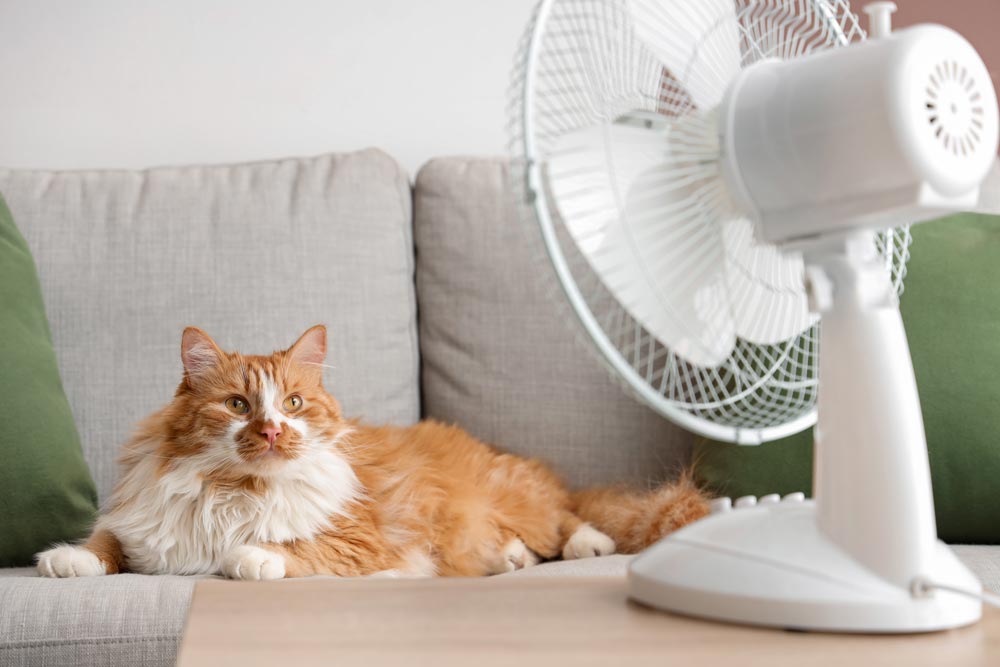
With a Red Extreme Heat Warning in place and temperatures forecast to exceed 39°C this week – potentially breaking the UK’s all-time June record – vets are urging owners and farmers to act now. Heat-related illness can escalate from mild distress to a fatal emergency within hours.
An Unprecedented Weather Event
The Met Office issued a Red Extreme Heat Warning on 22 June covering much of central and southern England and Wales for Wednesday 24 and Thursday 25 June, with temperatures forecast to reach at least 39°C. What makes this event more dangerous than the record-breaking July 2022 heatwave is the addition of high humidity: dew points are forecast to reach 22°C, compared to single figures in 2022. This severely impairs the body’s ability to cool through evaporation, and overnight temperatures are also expected to stay above 20°C, limiting recovery between days. The current UK June record of 35.6°C is very likely to be broken.
Pets: Dogs, Cats and Small Animals
During the 2022 heatwave, 51% of all UK vets reported treating animals for heat-related illness. Dogs were the most common, followed by rabbits (9%) and cats (6%). This week’s more oppressive conditions mean demand on small animal practices is likely to be higher still.
Dogs cannot cool efficiently through sweating and rely on panting, which becomes far less effective in humid air. The BVA advises restricting walks to early morning and late evening only, and never leaving dogs in a car, caravan, or conservatory. Flat-faced breeds, such as bulldogs, pugs, French bulldogs, are at substantially elevated risk and owners should contact their vet at the first sign of distress. Signs of heatstroke include heavy panting, drooling, restlessness, bright red or very pale gums, and loss of coordination. First aid: move the animal somewhere cool, offer small sips of water, and apply cool (not ice-cold) water using the evaporative method – pour over the coat and use a fan. Ice-cold water can constrict blood vessels and reduce the body’s ability to shed heat. The RVC guidance is clear: cool first, transport second.
Rabbits and guinea pigs should have their runs moved into shade, with damp towels over wire mesh. Lightly misting a rabbit’s ears with cool water is an effective cooling technique, as the ears are a primary site of heat exchange.
Livestock: Cattle, Sheep and Pigs
One in two UK vets treated cattle, sheep, and pigs for heat-related conditions during the 2022. Cattle are particularly susceptible; if a cow is taking more than 60 breaths per minute, intervention is needed immediately. Providing shade can reduce solar radiation by up to 50%. Pigs cannot thermoregulate through sweating at all and are also prone to sunburn, therefore animal-safe sunscreen is advisable for outdoor animals. Newly shorn sheep should be monitored closely. All livestock must not be transported when temperatures exceed 30°C unless the vehicle has a temperature-controlled ventilation system. Water intake can double or triple during a heatwave – a continuous, reliable supply of fresh, cool water is the single most critical management action. Electrolyte supplementation may be necessary for animals losing high fluid volumes.
Horses
Horses cool primarily through sweating, which depletes electrolytes rapidly in extreme heat. Riding and strenuous work should be restricted to early morning or late evening. Signs of heat stress include profuse or cessation of sweating, rapid or shallow breathing, rectal temperature above 39°C, and agitation. Cool water should be applied starting from the legs upward, but excess water must be scraped off promptly. In still, humid conditions, water left in the coat acts as an insulator and warms quickly, worsening the animal’s condition. Call the vet if there is no rapid response to cooling.
What Practices Should Expect
Practices should anticipate a significant surge in emergency consultations mid-week. Proactive client communications now – covering heatstroke signs and correct first aid – can improve outcomes and manage demand. The BVA’s advice is widely available for practices to adapt and share. As UK heatwaves become more frequent and intense, preparedness for high-demand heat periods will become a regular part of annual planning, not an occasional contingency.