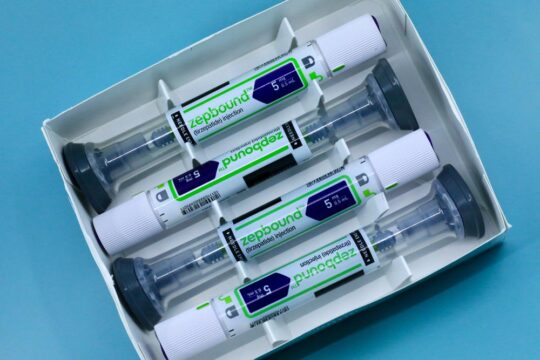
Could obesity drugs ease anxiety and depression?
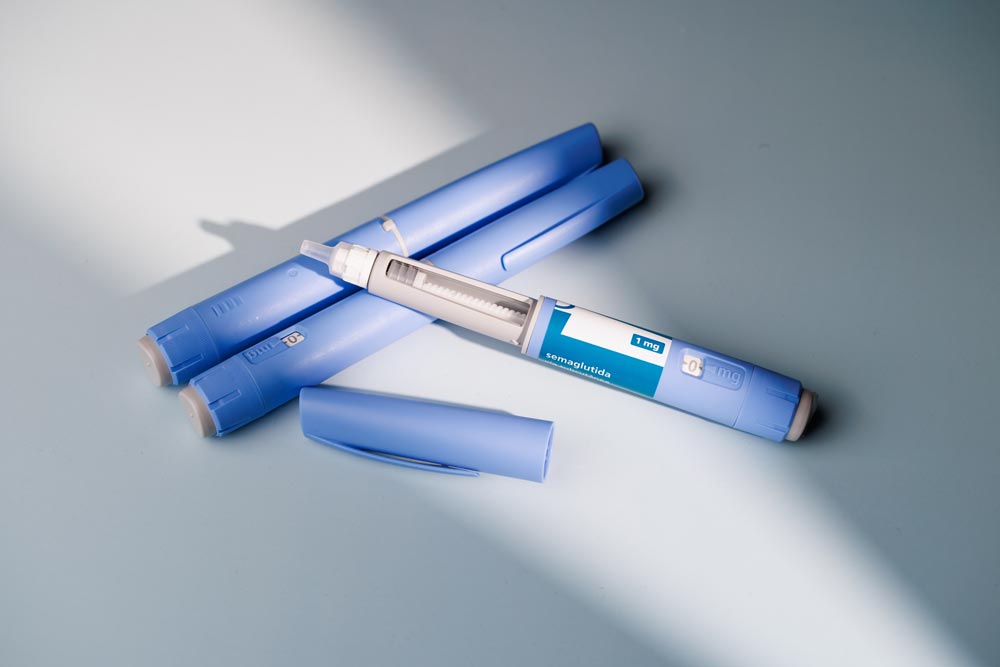
GLP-1 medications are associated with a reduced need for psychiatric hospital care and fewer employee sick days. They also appear to lower the risk of substance use disorders. Those are the key findings of a new register-based study by researchers at the University of Eastern Finland, the Karolinska Institutet in Stockholm, and Griffith University in Australia.
Diabetes and obesity have long been linked to an increased risk of mental health symptoms. Similarly, individuals with mental disorders have an elevated risk of metabolic diseases such as obesity and diabetes. Researchers have working to disentangle the connections between these conditions.
Previous evidence on the effects of GLP-1 medications on anxiety and depressive disorders has been somewhat inconsistent, but it has been largely based on small studies. The new paper, published in The Lancet Psychiatry, includes data from nearly 100,000 participants, over 20,000 of whom had used GLP-1 medications to treat diabetes and obesity. Participants were followed through Swedish national registers between 2009 and 2022.
The results showed that the use of GLP-1 medications – particularly semaglutide – was associated with a reduction in workplace absence and in lower rates of hospital care for psychiatric issues. During periods of semaglutide use, the reduction was 42% compared with periods when GLP-1 medications were not used. For depression, the risk was 44% lower, and for anxiety disorders, 38% lower.
In addition, semaglutide use was associated with a lower risk of substance use disorders: hospital care and sickness absence related to substance use were 47% lower during periods of semaglutide use compared with periods without GLP-1 medication. The use of GLP-1 receptor agonists was also associated with a reduced risk of suicidal behaviour.
One of the study’s authors, Professor Mark Taylor from Griffith University, says such results were to be expected: ‘An earlier study examining Swedish registers found the use of GLP-1 medications to be associated with a reduced risk of alcohol use disorder. Alcohol-related problems often have downstream effects on mood and anxiety, so we expected the effect to be positive on these as well.’
However, the magnitude of the association surprised the researchers. ‘Because this is a registry-based study, we cannot determine exactly why or how these medications affect mood symptoms, but the association was quite strong,’ says Prof Markku Lähteenvuo from the University of Eastern Finland. ‘It is possible that, in addition to factors such as reduced alcohol consumption, weight loss-related improvements in body image, or relief associated with better glycaemic control in diabetes, there may also be direct neurobiological mechanisms involved – for example, through changes in the functioning of the brain’s reward system.’