FDA approves WELIREG Plus LENVIMA for Certain Previously Treated Adult Patients With Advanced Renal Cell Carcinoma With a Clear Cell Component – Merck
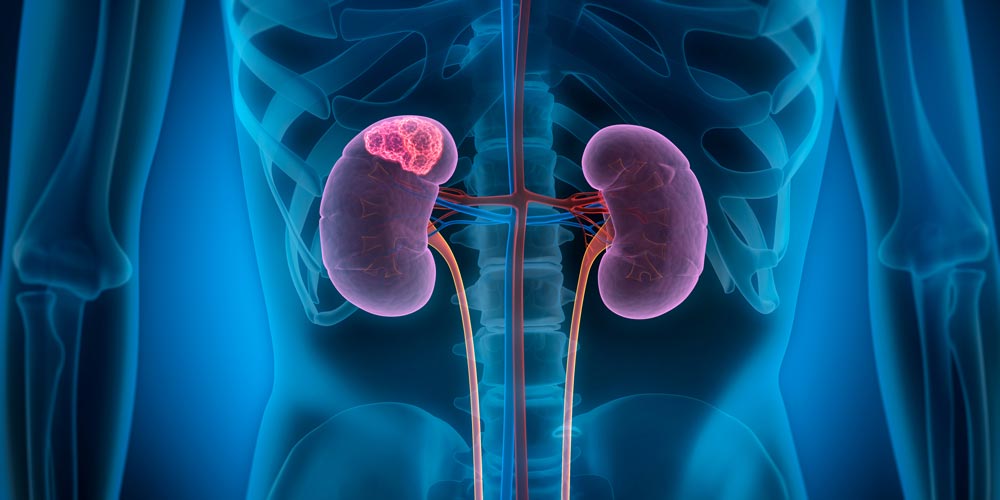
Merck, known as MSD outside of the United States and Canada, and Eisai announced the FDA has approved the dual oral regimen of WELIREG (belzutifan), Merck’s first-in-class oral hypoxia-inducible factor-2 alpha (HIF-2α) inhibitor, plus LENVIMA (lenvatinib), the orally available multiple receptor tyrosine kinase inhibitor (TKI) discovered by Eisai, for the treatment of adult patients with advanced renal cell carcinoma with a clear cell component (ccRCC) following a programmed death receptor-1 (PD-1) or programmed death-ligand 1 (PD-L1) inhibitor.
The approval is based on data from the Phase 3 LITESPARK-011 trial. Results from a pre-specified interim analysis showed treatment with WELIREG plus LENVIMA led to a statistically significant and clinically meaningful improvement in progression-free survival (PFS), one of the dual primary endpoints, compared to cabozantinib, reducing the risk of disease progression or death by 26% (HR=0.74 [95% CI, 0.61-0.89]; p=0.001) in patients with advanced ccRCC following a PD-1 or PD-L1 inhibitor. WELIREG plus LENVIMA resulted in a median PFS of 14.6 months (95% CI, 11.1-16.6) versus 10.6 months (95% CI, 9.2-11.1) with cabozantinib. WELIREG plus LENVIMA also demonstrated a statistically significant improvement in objective response rate (ORR), a key secondary endpoint, with an ORR of 53% (95% CI, 47-58) versus 40% (95% CI, 35-45) for cabozantinib (p=0.0002). Data for duration of response (DOR), another secondary endpoint, were also reported. At the final analysis, overall survival (OS), the study’s other primary endpoint, did not meet statistical significance for patients who received WELIREG plus LENVIMA versus cabozantinib. These results will be presented at the upcoming European Society for Medical Oncology (ESMO) Congress 2026 in Madrid, Spain.
“While there has been much progress in the first-line treatment of advanced kidney cancer, we have limited options to offer patients if the disease progresses after treatment with a PD-1/PD-L1 immunotherapy,” said Dr. Robert Motzer, Principal Investigator and Genitourinary Medical Oncologist, Memorial Sloan Kettering Cancer Center. “With this FDA approval of belzutifan plus lenvatinib, we have a new treatment option for patients who progress following treatment with anti-PD-1/PD-L1 therapy – an important development for patients and the physicians who care for them.”
“By bringing together two therapies that each target different pathways, WELIREG plus LENVIMA is now the first approved regimen of its kind, offering a new treatment option for certain patients with advanced renal cell carcinoma who have progressed after anti-PD-1/PD-L1 therapy,” said Dr. M. Catherine Pietanza, Vice President, Global Clinical Development, Merck Research Laboratories. “This approval represents real progress for patients and further reinforces the importance of a HIF-2α inhibitor plus TKI combination as a new treatment approach for these patients.”
“Patients facing advanced renal cell carcinoma need treatment options at every stage of their journey, and the complexity of managing this disease over time makes every treatment decision meaningful,” said Dr. Corina Dutcus, Senior Vice President, Oncology Global Clinical Development Lead at Eisai. “Combination approaches with LENVIMA have shaped the treatment landscape for advanced RCC from frontline therapy through later lines, and this FDA approval builds on that legacy by introducing WELIREG plus LENVIMA – the first and only approved combination following a PD-1/PD-L1 inhibitor. At Eisai, our science is driven by the humanity of the patients we serve, and, alongside Merck, we are proud to continue advancing combination treatment options with LENVIMA for the kidney cancer community.”
Study design and additional data from LITESPARK-011
LITESPARK-011 is a randomized, open-label Phase 3 trial (ClinicalTrials.gov, NCT04586231) evaluating WELIREG in combination with LENVIMA compared to cabozantinib for the treatment of patients with advanced ccRCC. Eligible patients include participants with locally advanced or metastatic ccRCC who have progressed on or after a PD-1 or PD-L1 inhibitor, or within 6 months of completing adjuvant therapy with a PD-1 inhibitor. The study excluded patients with hypoxia, active CNS metastases and clinically significant cardiac disease within 6 months before first dose of study intervention. The trial enrolled 747 patients who were randomized to receive WELIREG (120 mg orally once daily) plus LENVIMA (20 mg orally once daily) or cabozantinib (60 mg orally once daily). The major efficacy endpoints were PFS per Response Evaluation Criteria in Solid Tumors version 1.1 (RECIST v1.1) as assessed by blinded independent central review (BICR) and OS. Additional efficacy endpoints included ORR by BICR using RECIST v1.1.
The median duration of exposure to WELIREG was 15.8 months (range: 1 day to 50.6 months) and the median duration of exposure to LENVIMA was 14.5 months (range: 1 day to 50.6 months).
Serious adverse reactions occurred in 54% of patients treated with WELIREG in combination with LENVIMA. Serious adverse reactions in ≥2% of patients included hypoxia (6%), pneumonia (5%), hyponatremia (3.2%), acute kidney injury (3%), hemorrhage (2.7%), anemia (2.7%), cardiac failure (2.4%) and diarrhea (2.4%).
Fatal adverse reactions occurred in 5% of patients who received WELIREG in combination with LENVIMA, including sepsis (0.8%), pneumonia (0.5%), pneumonitis (0.5%), respiratory failure (0.5%) and one case (0.3%) each of acute cholecystitis, acute respiratory distress syndrome, pulmonary edema, embolic cerebral infarction, hemorrhage, postoperative wound complication, thrombotic microangiopathy and upper respiratory tract infection.
Permanent discontinuation of WELIREG due to an adverse reaction occurred in 17% of patients. Adverse reactions which resulted in permanent discontinuation of WELIREG in >0.5% of patients included hypoxia (2.2%), pneumonia (1.1%), fatigue (0.8%), hyponatremia (0.8%), pneumonitis (0.8%) and respiratory failure (0.8%).
Permanent discontinuation of LENVIMA due to an adverse reaction occurred in 23% of patients. Adverse reactions which resulted in permanent discontinuation of LENVIMA in >0.5% of patients included fatigue (1.6%), cardiac failure (1.1%), hyponatremia (1.1%), pneumonia (1.1%), decreased ejection fraction (0.8%), increased lipase (0.8%), pneumonitis (0.8%), proteinuria (0.8%) and rash (0.8%).
Dosage interruptions of WELIREG due to an adverse reaction occurred in 69% of patients. Adverse reactions which required dosage interruption in >3% of patients included fatigue (14%), diarrhea (12%), anemia (9%), vomiting (9%), hypertension (9%), nausea (8%), decreased appetite (5%), abdominal pain (4.6%), COVID-19 (4.6%), musculoskeletal pain (4.1%), pneumonia (3.5%), hypoxia (3.5%) and hemorrhage (3.5%).
Dosage interruptions of LENVIMA due to an adverse reaction occurred in 72% of patients. The most common adverse reactions resulting in dosage interruption of LENVIMA (>3%) were fatigue (15%), hypertension (14%), diarrhea (13%), nausea (10%), vomiting (10%), anemia (8%), proteinuria (7%), decreased appetite (6%), COVID-19 (5%), musculoskeletal pain (4.3%), abdominal pain (4.3%), rash (4.3%), pneumonia (3.5%), stomatitis (3.5%) and hemorrhage (3.2%).
Dose reductions of WELIREG due to an adverse reaction occurred in 35% of patients. Adverse reactions which required dose reductions of WELIREG in >2% of patients included fatigue (7%), hypoxia (7%), anemia (6%), diarrhea (3%) and dyspnea (2.4%).
Dose reductions of LENVIMA due to an adverse reaction occurred in 67% of patients. Adverse reactions which required dose reductions of LENVIMA in >2% of patients included fatigue (20%), diarrhea (13%), hypertension (12%), proteinuria (9%), decreased appetite (8%), nausea (6%), rash (6%), vomiting (4.1%), anemia (3.5%), decreased weight (3.5%), abdominal pain (3%), increased alanine aminotransferase (ALT) (2.7%), stomatitis (2.7%), musculoskeletal pain (2.4%) and hypothyroidism (2.2%).
The most common (≥25%) adverse reactions, including laboratory abnormalities, that occurred in patients who received WELIREG in combination with LENVIMA were decreased hemoglobin, fatigue, increased AST, hypertension, increased ALT, musculoskeletal pain, diarrhea, decreased lymphocytes, decreased sodium, increased creatinine, nausea, hypothyroidism, decreased appetite, decreased platelets, increased potassium, increased lipase, proteinuria, decreased magnesium, decreased calcium, increased activated partial thromboplastin time, rash, vomiting, decreased weight, constipation, abdominal pain and stomatitis.
Clinically relevant adverse reactions occurring in <15% of patients who received WELIREG in combination with LENVIMA included COVID-19 (14%), dysphonia (14%), dysgeusia (14%), urinary tract infection (14%), pruritus (12%), pyrexia (11%) and arrhythmia (9%).