GLP-1 treatment linked to better psychiatric outcomes
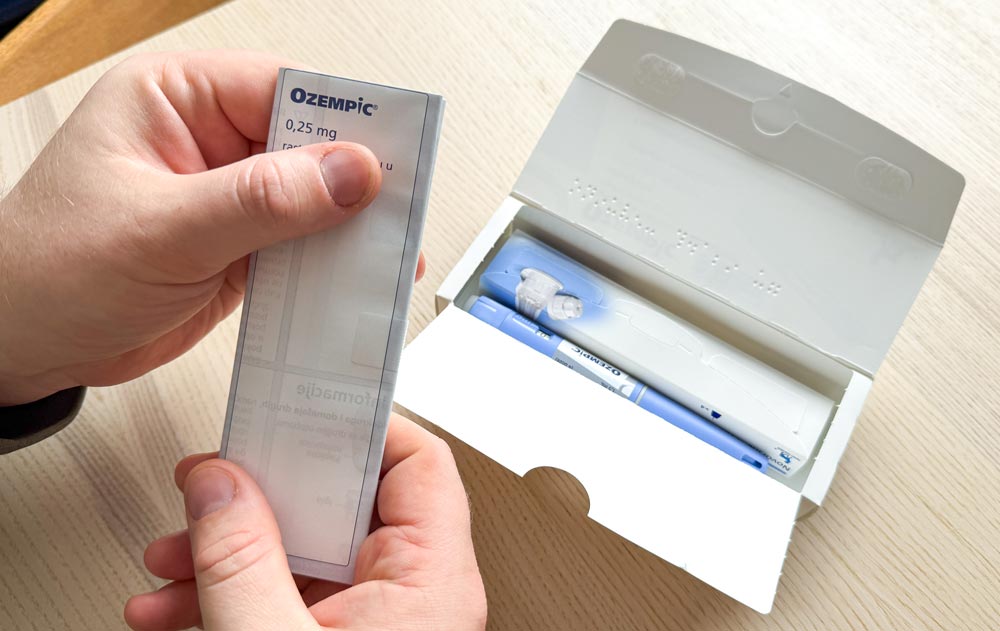
GLP-1 medications, which are used to treat diabetes and obesity, appear to be associated with reduced hospital care and sickness absence from work for psychiatric reasons, researchers reported on March 17, 2026 in The Lancet Psychiatry.
The large register-based retrospective study was carried out in collaboration between the University of Eastern Finland, Karolinska Institutet in Stockholm and Griffith University in Australia.
As background, the authors noted that, “People with diabetes have an elevated risk of developing depression, anxiety, and suicide. GLP-1 receptor agonists are licensed to treat diabetes and obesity, but data on whether these medications alleviate or exacerbate anxiety, depression, and self-harm are mixed. We studied the risk of worsening mental illness in people already diagnosed with depression, anxiety, or both who were prescribed antidiabetic medications including GLP-1 receptor agonists.”
The investigators identified people from national Swedish electronic health registries who had received a diagnosis of depression or anxiety disorder and who had used any antidiabetic medication between the years 2009 and 2022.
They compared the psychiatric effects of GLP-1 receptor agonists, individually and as a class of drugs, to non-use of GLP-1 receptor agonists.
The primary outcome was worsening of mental illness, defined as a composite of psychiatric hospitalization, sick leave from work for more than 14 days for psychiatric reasons and hospitalization due to self-harm or death by suicide.
The investigators enrolled 95,490 subjects, 56,976 female and 38,514 male, with a mean age of 50.6 years.
GLP-1 receptor agonists were used by 22,480 of these subjects during the study period.
Treatment with GLP-1 medications, especially semaglutide, was associated with a reduction in sickness absence and hospital care due to psychiatric reasons. When semaglutide was used, the reduction was 42% compared with periods when GLP-1 medications were not used. For worsening depression, the risk was 44% lower when GLP-1 medications were used. And for worsening anxiety disorders it was 38% lower.
The investigators reported that hospital care and sickness absence related to substance use were 47% lower during periods of semaglutide use compared with periods without GLP-1 use.
Investigator Markku Lähteenvuo, MD, PhD Research Director, Institute of Clinical Medicine, School of Medicine, Faculty of Health Sciences at the University of Eastern Finland, said, “Because this is a registry-based study, we cannot determine exactly why or how these medications affect mood symptoms, but the association was quite strong. It is possible that, in addition to factors such as reduced alcohol consumption, weight loss-related improvements in body image, or relief associated with better glycaemic control in diabetes, there may also be direct neurobiological mechanisms involved – for example, through changes in the functioning of the brain’s reward system.”