UCB announces 21 data presentations spanning clinical research and real-world insights at AES 2025
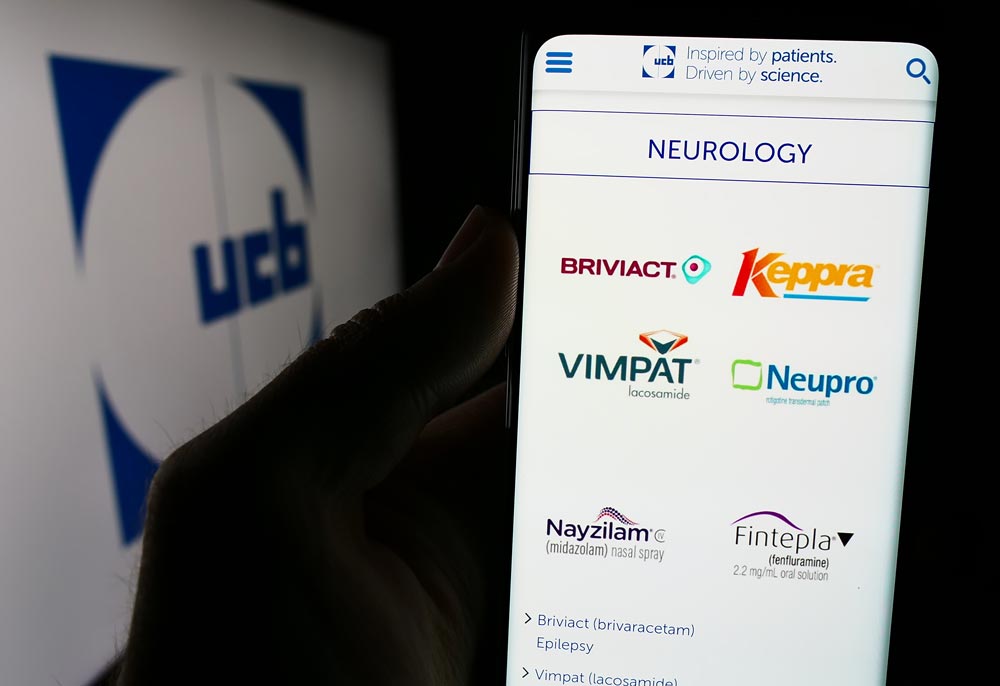
UCB, a global biopharmaceutical company, today announced it will present 21 abstracts at the American Epilepsy Society (AES) Annual Meeting (December 5-9, 2025). Data include primary efficacy and safety results from a Phase III study of fenfluramine in CDD, final results from a long-term open-label extension study of fenfluramine in DS and LGS, findings on the disease burden of developmental and epileptic encephalopathies (DEEs), and research on prolonged seizures.
Dimitrios Bourikas, Global Medical Head, DEE and Epilepsy, UCB, commented: “Sharing these new data at AES 2025 reflects UCB’s unwavering dedication to addressing the needs of people living with epilepsy and those who support them. By highlighting clinical outcomes and the experiences of patients and caregivers, we hope to inform better care and support, with the ultimate goal of creating a future where nobody facing a debilitating epileptic condition is left behind.”
Highlights of data to be presented at AES 2025:
Fenfluramine in CDKL5 deficiency disorder: Primary positive phase 3 results2*
A phase III, randomized, placebo-controlled trial shows that fenfluramine provided significantly greater reduction in countable motor seizure frequency compared with placebo in patients with CDKL5 deficiency disorder. Treatment emergent adverse events (TEAEs) are consistent with the known safety profile of fenfluramine in DS and LGS.
*The safety and efficacy of fenfluramine for the treatment of CDD has not been established and is not currently approved for use by any regulatory authority worldwide. In the US, Fintepla (fenfluramine) is indicated for the treatment of seizures associated with DS and LGS in patients 2 years of age and older.9 In the EU, it is indicated for the treatment of seizures associated with DS and LGS as an add-on therapy to other anti-epileptic medicines for patients 2 years of age and older.1
Final Results From a Long-Term Open-Label Extension Study of Fenfluramine (Up to 4 Years)
These data show a consistent rate of TEAEs with previous DS and LGS Phase 3 studies as well as an improvement or no change in CGI-I ratings from baseline by caregivers and investigators.
Impact of disruptive seizures on daily functioning
Interim results from a large caregiver survey highlight that disruptive seizures, sleep disturbances and challenging behaviors from those living with DEEs have a substantial impact on both activities of daily living and ability to communicate. The data underscore the ongoing burden on individuals living with DEEs and their caregivers, emphasizing the need for holistic support and care strategies.
Prolonged seizures
- Real-world study of patients in the United States highlight that those experiencing prolonged seizures are at an increased risk for serious complications, including progression to status epilepticus and a need to frequently require emergency healthcare.
- Interviews with patients and caregivers indicate a clear preference for acute seizure medications that can be administered quickly and act rapidly at seizure onset. A further quantitative survey of adults and adolescents with epilepsy and caregivers reveal that the highest priorities for acute seizure medications are fast onset of action (within 1-2 minutes) and non-rectal, user-friendly administration routes