Female Hormone Deficiency: A new framework for menopause management
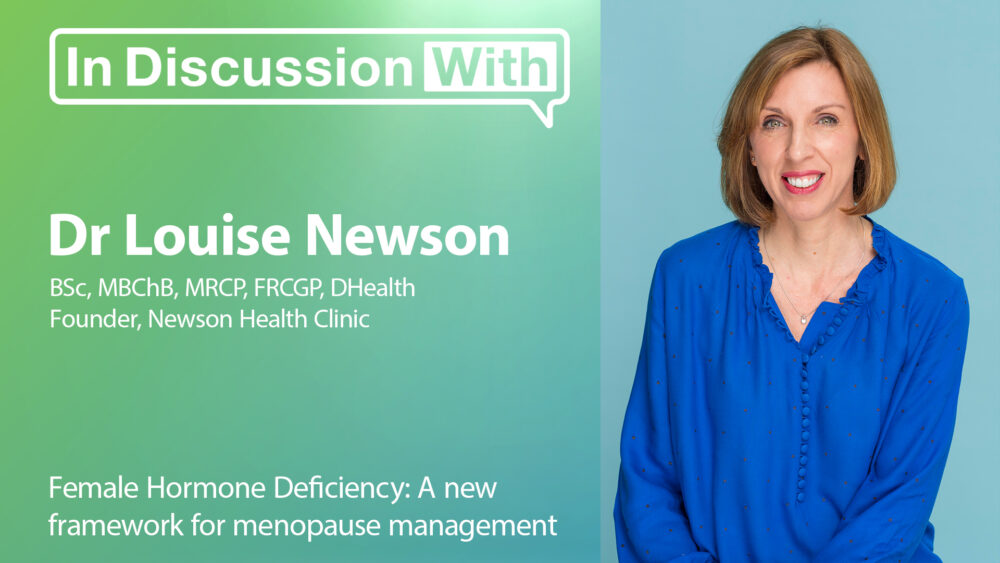
In this interview Dr. Louise Newson, a physician and female hormone specialist, author and researcher, explains how current clinical understanding and management of menopause often fall short. In order to provide the most appropriate care for women we need to move beyond the view that the menopause is linked solely with vasomotor symptoms and embrace a holistic view of declining hormone levels as a biological deficiency with wide-ranging health consequences, she argues.
Cognitive and psychological symptoms
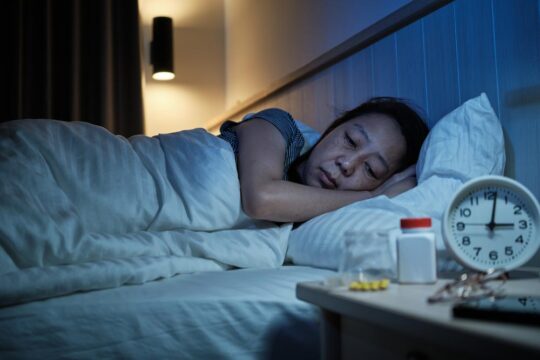
Historically the menopause been defined by measurable symptoms like hot flushes and night sweats. However, data analysis from hundreds of thousands of symptoms logged in the Balance app reveals that the commonest and most severe symptoms affect the brain. These include brain fog, memory problems, fatigue, poor concentration, poor sleep, reduced libido, anxiety, and irritability. Hot flushes often rank significantly lower – around number 24.
This “all makes sense because actually the hormones we’re talking about, not just oestradiol, but progesterone and testosterone – they are made in our brains as well” explains Dr Newson. Viewing the menopause merely as an ovarian or period condition overlooks the profound systemic impact of hormone deficiency.
Furthermore, this misunderstanding leads to frequent misdiagnosis. Many women experiencing perimenopause or menopause are inappropriately diagnosed with mental health conditions, such as depression and anxiety, or even schizoaffective disorders. Symptoms related to hormonal decline may also be incorrectly attributed to sero-negative arthropathy, chronic fatigue, fibromyalgia, or long COVID. The impact on quality of life can be severe with approximately 10% of women reporting giving up their jobs due to symptoms like memory issues, anxiety, and fatigue. When the appropriate hormones are administered, these misdiagnosed symptoms often “melt away”, says Dr Newson.
Hormone deficiency: A risk to long-term health
The consequences of post-menopausal hormone deficiency extend beyond immediate symptoms; they increase the risk of future diseases because these hormones function as important anti-inflammatory agents in the body. Post-menopausal hormone deficiency is associated with an increased risk of inflammatory diseases, including dementia, cardiovascular disease (CVD), osteoporosis, cancers, autoimmune diseases, Parkinson’s disease and multiple sclerosis.
For example, oestradiol plays a vital anti-inflammatory role in the cardiovascular system. It acts as a vasodilator, aids in blood pressure control (affecting the renin-angiotensin system), and reduces the incidence of arrhythmias, including atrial fibrillation, while also helping build heart muscle. Hormone deficiency leads to accelerated atherosclerosis, increased atheroma, and elevated blood pressure, significantly raising cardiovascular risk after menopause.
Furthermore, HRT is licensed as a preventative treatment for osteoporosis. “One in two – so 50% – of women who are menopausal [and] who don’t take hormones are estimated to develop osteoporosis in their lifetime and one in three will have an osteoporotic hip fracture” says Dr Newson. A hip fracture carries a mortality rate of around 20% within a year, a prognosis worse than most cancers or heart attacks, highlighting the critical need for preventative prescribing.
Precision in prescribing
When discussing treatment, precision is paramount. We must differentiate between progesterone and synthetic progestogens (used in older HRT and many contraceptives) and utilise body-identical oestradiol. The confusion and fear surrounding HRT stem largely from studies like the Women’s Health Initiative (WHI) study (2002), which used synthetic progestogens and conjugated equine oestrogens, components long known to affect the cardiovascular system negatively. These findings are not comparable to the effects of body-identical hormones, emphasises Dr Newson.
Despite NICE guidance recommending hormones as first-line treatment for menopausal and perimenopausal symptoms, prescribing rates remain low – around 14% in the UK and 4% in the US, significantly below the 30–40% rates seen prior to the WHI study. Simultaneously, about one in six women are inappropriately prescribed anti-depressants, which carry known risks like addiction, increased incidence of osteoporosis and dementia. In some cases, women may be given anti-psychotics or electroconvulsive therapy (ECT) for symptoms of treatment-resistant depression.
“But when you take a really clear history, ……. they’ll tell you that they’ve had really bad PMDD (pre-menstrual dysphoric disorder) for many years. They’ll tell you that they’ve had postnatal depression. They’ll tell you they felt really great mentally when they were pregnant, and they’ll tell you that they fell off a cliff at the age of 48. ….. So, you don’t have to be a hormone specialist to understand that some of it’s related to hormones”, says Dr Newson. It is also important to note that anti-psychotics can induce a chemical menopause by suppressing hormone production, potentially exacerbating the underlying issue, she adds.
Moving forward, we should be precise in our language, focusing on oestradiol deficiency, progesterone deficiency, or testosterone deficiency rather than the broad term “menopause”, argues Dr Newson. This would ensure that patients have a “label” that helps them to get the right treatment. The current criteria for prescribing testosterone are overly restrictive, often requiring women to demonstrate hypoactive sexual desire disorder (HSDD) for at least six months. This overlooks the broader benefits of testosterone in improving energy, concentration, mood and stamina, she says.
Upskilling and holistic training
To serve patients better, HCPs must receive comprehensive training that views the body as a whole, not just a gynaecological system. Training should prioritise practical, evidence-based knowledge and be delivered by clinicians who manage a high volume of patients, rather than specialists who see only a few cases each week.
It is vital to empower pharmacists and nurses, as has successfully been done in diabetes and contraception management, to ensure wider access to care. It is also important to educate patients “so that women can come a lot more prepared to their consultations”, says Dr Newson. The goal is to move beyond the current limited system and ensure that patients are central to treatment choices, receiving the appropriate, individualised hormone replacement required to improve symptoms and mitigate future disease risk.
About Dr Louise Newson
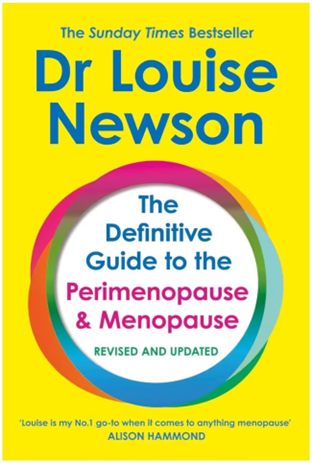
Dr Louise Newson is a GP and menopause specialist. She is the founder of Newson Health and Newson Education. She developed the Balance app (a menopause support app) and the Confidence in Menopause course for health care professsionals. She is the author of the best-seller, The Definitive Guide to the Perimenopause and Menopause and hosts a website that provides a wealth of articles, podcasts and other information.