Eton Pharmaceuticals and Aquestive Therapeutics Announce Exclusive U.S. Licensing Agreement for Libervant (diazepam) Buccal Film
Eton Pharmaceuticals, Inc. (“Eton”) and Aquestive Therapeutics, Inc. (“Aquestive”) announced that they have entered into an exclusive license agreement and a supply agreement covering the United States and its territories for Libervant (diazepam) buccal film, an Orphan Drug-designated, differentiated treatment for seizure clusters in patients with epilepsy. Eton anticipates commercial availability of Libervant in April 2027, subject to final FDA approval.
The agreement grants Eton exclusive U.S. commercialization rights to Libervant and adds a new growth driver to Eton’s expanding rare disease portfolio. The product builds on Eton’s experience commercializing differentiated dosage forms, engaging specialist physicians, and supporting patients and caregivers through treatment education, advocacy, and programs designed to maximize therapy access and minimize affordability barriers.
“Libervant marks an important expansion of our portfolio into neurology and represents a compelling opportunity to bring an orphan-designated, differentiated therapy to patients. The U.S. seizure rescue market exceeds $450 million annually, and we believe Libervant’s innovative buccal film technology, together with Eton’s experience commercializing differentiated dosage forms, positions us well to compete in this established market.
“By pairing Aquestive’s proprietary technology with Eton’s commercial capabilities and patient support services, we aim to provide physicians, patients, and caregivers an additional treatment option while building another durable source of growth for our shareholders. This agreement advances our strategy of acquiring and commercializing differentiated medicines, and we are excited to work with Aquestive toward an anticipated April 2027 launch.” – Sean Brynjelsen, Chief Executive Officer of Eton Pharmaceuticals.
“Today marks an important new chapter for Libervant and for the epilepsy community. I am confident that Eton’s focus on specialty medicines and patient access will be essential as we work toward making Libervant available to the epilepsy community. This collaboration brings together complementary capabilities and provides a focused path to U.S. commercialization, allowing us to advance a product with the potential to address the needs of patients and caregivers seeking an alternative to nasal and rectal delivery.” – Daniel Barber, President and Chief Executive Officer of Aquestive Therapeutics.
Regulatory Status and Anticipated Launch
The U.S. FDA granted Libervant Orphan Drug Designation in November 2016. Libervant currently has been granted tentative approval by the U.S. FDA for the acute treatment of intermittent, stereotypic episodes of frequent seizure activity (i.e., seizure clusters, acute repetitive seizures) that are distinct from a patient’s usual seizure pattern in patients with epilepsy 2 to 5 years of age and 12 years of age and above. The product is expected to become eligible for full approval in patients 12 years of age and above following the scheduled expiration of Valtoco’s orphan drug exclusivity on January 10, 2027. In addition, a Type 9 New Drug Application (NDA) is under review with the U.S. FDA to add ages 6 to 11 to the product’s label. The NDA has a Prescription Drug User Fee Act (PDUFA) target action date of March 29, 2027. If approved, the application would expand the potential labeled population to patients ages 6 and older. Eton anticipates the product being commercially available in April 2027, subject to final FDA approval.
Libervant has issued patent protection extending into 2038 and additional patent applications are pending with the U.S. Patent and Trademark Office.
Patient Research Highlights the Importance of Portability and Treatment Choice
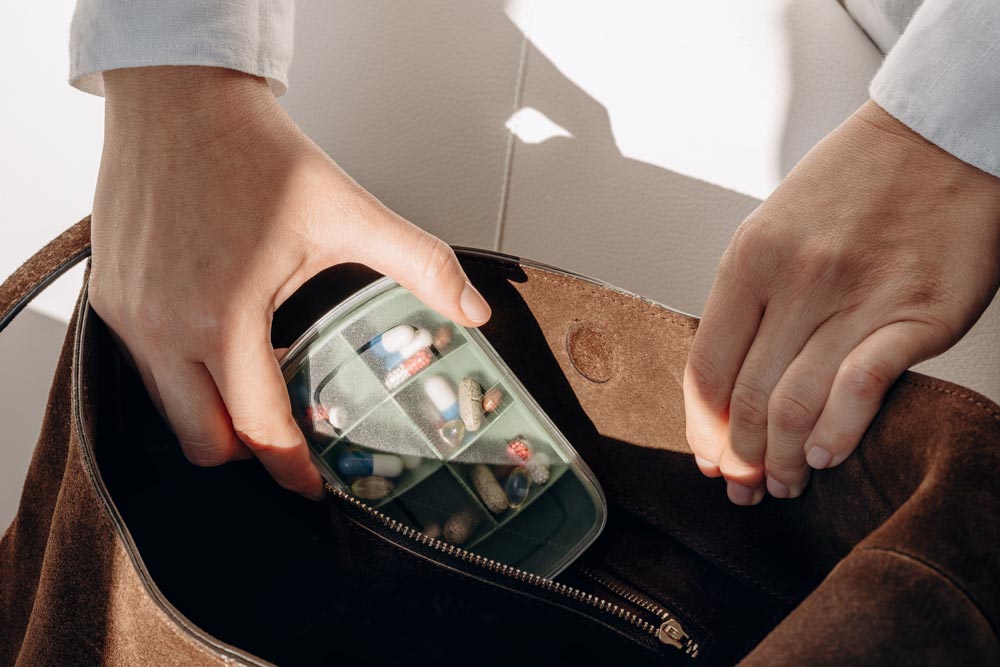
Third-party market research highlights a gap between patients’ desire to keep seizure-cluster medication close and their reported carrying habits. Among 101 patients surveyed, 76% were somewhat or highly concerned about not having their medication within arm’s reach when away from home, yet only 34% reported always carrying it outside the home.
After viewing a video comparing film and nasal-spray packaging, 71% preferred or strongly preferred that their physician prescribe the film, compared with 13% for nasal spray, assuming both medicines worked equally well. These findings underscore patients’ interest in portability and treatment choice and reflect stated preferences, rather than comparative clinical outcomes.