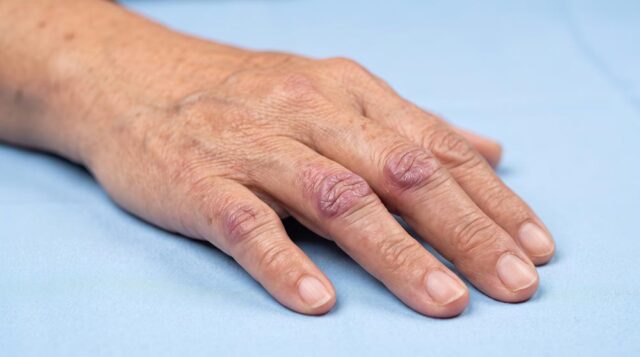
Cognitive and physical limitations affect inhaler use in COPD
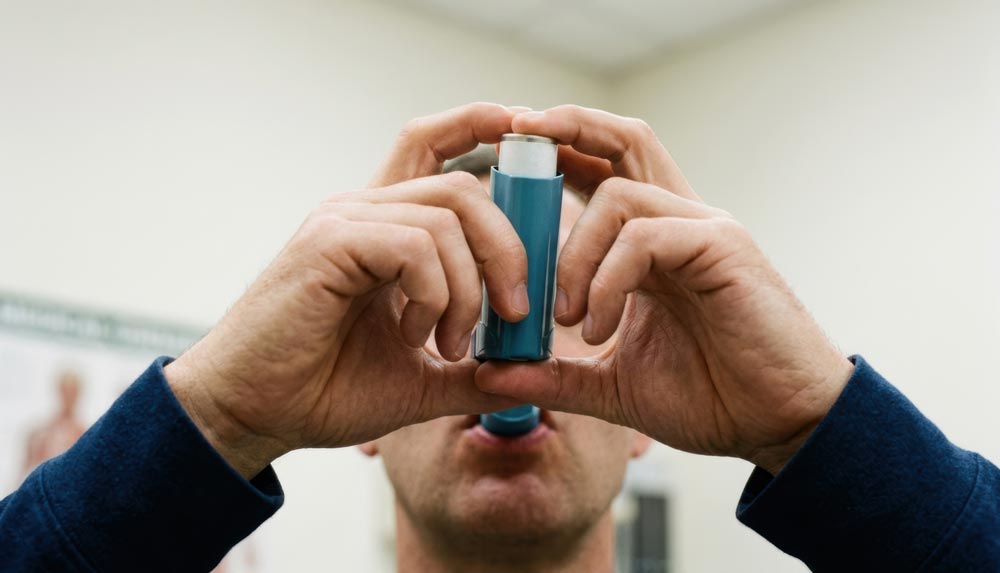
Cognitive function, hand dexterity, and breathing ability play an important role in helping people with chronic obstructive pulmonary disease (COPD) use their inhalers correctly, according to a new study. The study is published in the Annals of the American Thoracic Society.
COPD comprises several conditions, including chronic bronchitis and emphysema, and can be caused by genetics and irritants like smoke or pollution. The disease affects more than 30 million Americans and is the fourth leading cause of death worldwide.
Inhaled medications are commonly prescribed for people with COPD; however, studies have shown inhalers are frequently misused. This misuse can lead to inadequate medication delivery and an increase in COPD symptoms.
The multi-center INHALE (Impairments that Affect Correct Inhaler Use in COPD) study evaluated 503 people with COPD across 9 U.S. clinical sites to understand whether impaired cognitive function, manual dexterity, and inhalation ability contributed to inhaler misuse, as well as whether inhaler technique affected bronchodilation. INHALE is led by the COPD Foundation Nebulizer Consortium.
Researchers found that nearly one-third of participants demonstrated unacceptable inhaler technique, and those individuals experienced smaller improvements in lung function after using their prescribed bronchodilator medications. Cognitive impairment and non-functional manual dexterity were both connected to inhaler misuse.
Additionally, results showed that instructing a person to hold their breath for 5-10 seconds was the only technique that improved acute bronchodilation.
“Proper inhaler technique remains one of the most important and modifiable factors in COPD treatment. Our findings reinforce that selecting the right inhaled medication delivery system requires more than understanding a person’s lung function alone,” said lead author Donald A. Mahler, M.D., of the Geisel School of Medicine at Dartmouth and lead author of the study. “Health care providers should consider cognitive function, manual dexterity, and inhalation ability when choosing and reviewing inhaled therapies to ensure people receive the greatest possible benefit from their prescribed treatments.”
To access the full article, visit Annals of the American Thoracic Society.