Making primary care seamless in a digitally-led NHS
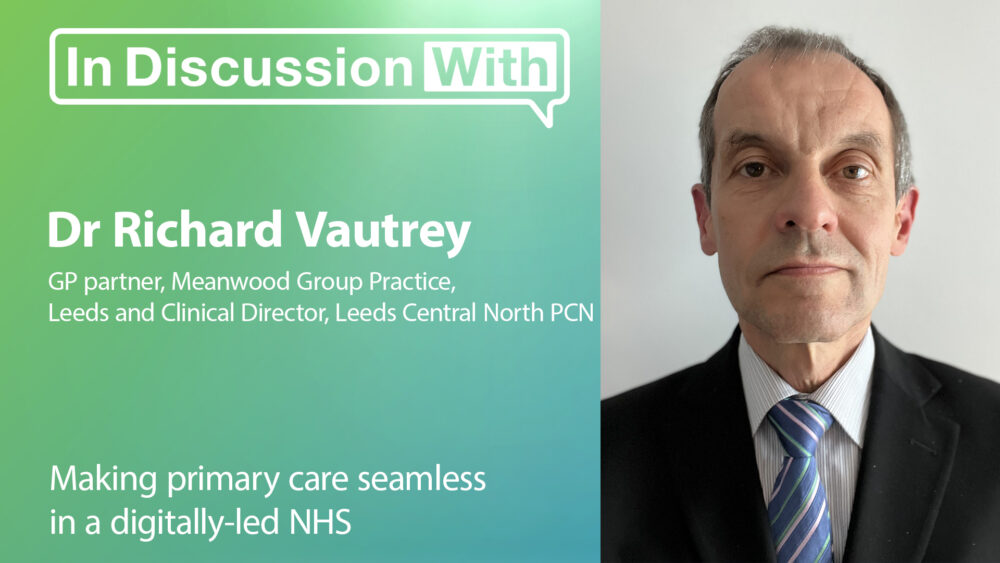
Close working between community pharmacy and general practice is already a reality in many areas, and the NHS 10-year health plan aims to build on this. In this interview, Dr Richard Vautrey, a GP in Leeds, former chair of the British Medical Association’s GP Committee and former president of the Royal College of General Practitioners, discusses what a genuinely “seamless” service should look like for patients, and what the NHS 10-year health plan will need to deliver if it is to succeed.
A privileged but pressured role
GPs sit “at the forefront” of the NHS, seeing large numbers of patients each day, often within 10 or 15-minute consultations, says Dr Vautrey. The role spans the full spectrum of life, from young children to elderly patients living with long-term conditions or reaching the end of life. Much of the challenge lies in the unpredictability of each consultation: clinicians frequently do not know in advance what a patient will bring to them, making it a “real privilege” but also a demanding job, particularly when trying to spot emerging conditions among the many patients whose long-term conditions are already well understood.
What “seamless” means for patients
Patients simply expect their GP and pharmacist to be working from the same information, says Dr Vautrey. Electronic prescribing has already transformed this relationship, replacing handwritten and printed prescriptions with direct electronic transfer to the pharmacy. Where practices and pharmacies have a good working relationship, patients experience this as a single, joined-up local health service, with consistent messaging from both sides. Co-located or closely-linked pharmacies and surgeries tend to achieve this most effectively, he notes.
The 10-year plan: promising rhetoric, uncertain delivery
Asked about the NHS 10-year health plan, Dr Vautrey is cautiously optimistic but wary of a familiar pattern. The ambition to move care into the community and build up neighbourhood health services is “long overdue”, he says, but it must be matched by sustained investment, since community services – including community nursing – have been “overstretched and underfunded” for years. Real investment is needed not only in workforce but in premises, many of which are currently too small to expand services such as community cardiology, dermatology, ENT or gynaecology clinics that could otherwise be delivered locally.
Digital records and data confidence
General practice has led the NHS on digital records for years, says Dr Vautrey, citing electronic prescribing as a case in point: patients can now receive a prescription within minutes wherever they are in England, rather than having to track down a local GP while travelling. Increasing use of the NHS app and shared access to patient information is welcome, but any new digital systems must preserve patients’ confidence that their data will remain confidential and properly safeguarded, he emphasises.
Prevention: good intentions, but funding gaps remain
On the plan’s emphasis on tackling obesity and smoking, Dr Vautrey highlights the frustration many GPs feel at being unable to prescribe newer, highly effective weight-management medications more widely because of cost. He also points to years of cuts to locally commissioned preventive services – weight management, smoking cessation, drugs and alcohol and sexual health services – as local authority budgets have come under pressure, warning that a long-term, wholesale commitment to prevention funding is needed to reduce future NHS costs.
Wearables and shifting expectations
It is “too early to know for sure” how useful wearable technology will prove, says Dr Vautrey. Home blood pressure monitoring is already valuable, partly because it avoids the anxiety some patients feel in clinical settings, but other wearables can sometimes generate anxiety rather than reassurance. Simple tools such as phone step-counters, however, can meaningfully encourage physical activity. More broadly, patient expectations of living longer with long-term conditions are rising, and society will need honest conversations about what the NHS can sustainably provide versus what may need to be funded differently, particularly as highly specialised, expensive medicines become available.
Drug shortages: a persistent, largely economic problem
Medicine shortages remain a daily frustration for GPs, pharmacists and patients, says Dr Vautrey. The causes range from global manufacturing issues to manufacturers choosing to sell more profitably elsewhere rather than into the UK market. He believes government has yet to grapple seriously with the issue, including the case for greater domestic medicine production. At present, all too often, pharmacists bear the brunt of patients’ frustration when common medicines become hard to source.
A closing message
Reflecting on his years representing GPs nationally, Dr Vautrey’s message to government is unambiguous: practice teams, community pharmacists and other primary care professionals are already working closely together on patients’ behalf, but they need long-term, sustained investment. Strengthening these foundations, he argues, would improve care quality, ease pressure on secondary care, and ultimately leave both patients and the NHS as a whole better off.
About Dr Richard Vautrey
Dr Richard Vautrey is a GP partner, Meanwood Group Practice, Leeds and Clinical Director, Leeds Central North PCN.