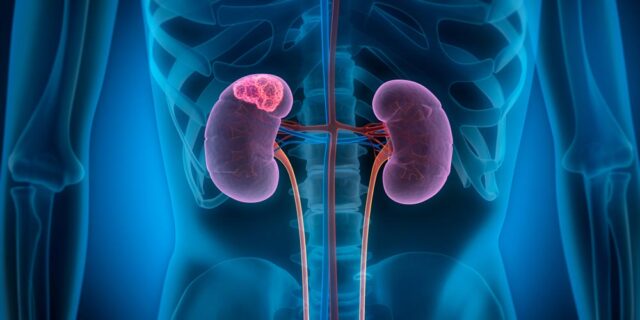
PharmaMar to show new PM54 and PM534 anticancer research data at AACR 2026
PharmaMar will once again be participating in the Annual Meeting of the American Association for Cancer Research (AACR), which is taking place in San Diego, United States, from April 17th to 22nd, 2026.
Carmen Cuevas, VP of R&D at PharmaMar, comments that “we are making progress in the research of marine-derived drugs for the development of new therapies. Our participation in a leading international oncology conference reinforces our commitment to innovation and improving treatments for patients.”
On this occasion, the Company is presenting four new studies with the results of its research.
PM54 suppresses WNT/β-Catenin signaling and synergizes with chemotherapy in gastric cancer models
Compound: PM54
Author: Marcelo Lima Ribeiro, PhD
Poster: Session Title: Multi-Axis Antineoplastic Agents. Session Start Time: 4/21/2026 2:00PM – 5:00PM
PM54, an innovative transcription inhibitor, is emerging as a promising anticancer candidate for gastric cancer by inhibiting the WNT/β-catenin pathway and inducing molecular reprogramming linked to cell cycle arrest and DNA repair. In addition, PM54 exhibits clear in vitro synergy with 5-FU and cisplatin. In mouse models, PM54 significantly reduced tumor growth, and combination with 5-FU or cisplatin induces greater tumor growth inhibition than that achieved with either 5-FU or cisplatin alone. These results support its development in rational combinations to enhance therapeutic efficacy.
PM54 reshapes the tumor microenvironment to potentiate checkpoint blockade
Compound: PM54
Author: Eugenio Bustos-Morán, PhD
Poster: Session Title: Immune Mechanisms Invoked by Other Therapies and Exposures. Session Start Time: 4/20/2026 2:00 PM – 5:00PM
Our studies show that PM54, an innovative drug, not only directly fights cancer but also significantly boosts the immune system’s response; this dual action is key to treating hard-to-treat tumors. The research reveals that PM54 reprograms the tumor microenvironment, making it more vulnerable. Combining PM54 with immunotherapies such as PD-1/PD-L1 inhibitors leads to a reduction in tumor size and robust activation of cancer-fighting immune cells. These results indicate that PM54 has the potential to transform previously resistant tumors into ones that are sensitive to immunotherapy, opening up new opportunities to develop more effective combination treatments.
PM54 targets oncogenic transcriptional networks across multiple cancer types
Compound: PM54
Author: Ismael Fernández-Miranda, PhD
Poster: Session Title: Molecular Targets 1. Session Start Time: 4/20/2026 2:00 PM – 5:00PM
The study demonstrates that PM54 acts by rapidly suppressing the expression of key genes involved in tumor proliferation, leading to the arrest of growth and the death of tumor cells. It has been observed that tumors with a high growth rate and functional p53 protein respond better to treatment with PM54. These results may enable more appropriate patient selection to optimize clinical benefit.
PM534, a new tubulin inhibitor, exhibits antitumor activity in experimental models of soft tissue sarcoma
Compound: PM534
Author: Patrick Schöffski, MD PhD, Agnieszka Wozniak, PhD, Agathe Bouju
Poster: Session Title: Multi-Axis Antineoplastic Agents. Session Star Time: 4/21/2026 2:00 PM – 5:00PM
PM534 is a novel tubulin-binding agent that exhibits a very high affinity for the colchicine-binding domain and overcomes the common resistance mechanisms that limit the efficacy of other tubulin-binding agents. In this study, PM534 has demonstrated potent antitumor activity in leiomyosarcoma tumors derived from patients and implanted in animal models. Furthermore, consistent with its mechanism of action, it induced a marked increase in apoptosis in the treated tumors.