The UK’s MRHA has approved a semaglutide injection (Wegovy) to treat metabolic-associated steatohepatitis (MASH) – Novo Nordisk
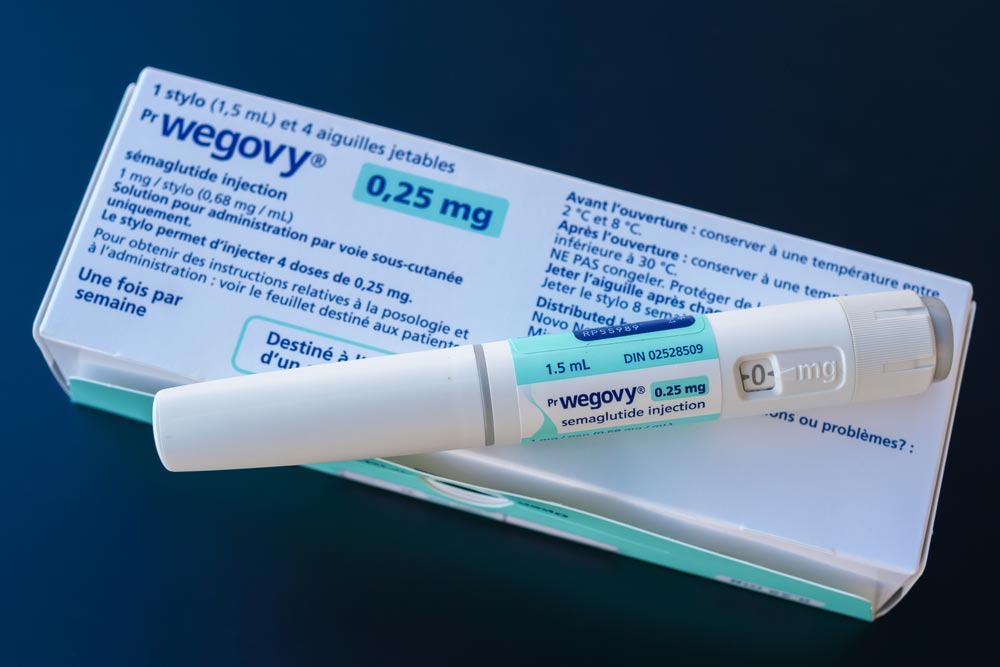
The Medicines and Healthcare products Regulatory Agency (MHRA) in the UK has approved a semaglutide injection (Wegovy) to treat metabolic-associated steatohepatitis (MASH) in adults with moderate-to-advanced liver fibrosis (scar tissue in the liver). Semaglutide has existing authorisations for weight management in adults and adolescents and for the reduction of cardiovascular events in adults. Semaglutide is a GLP-1 receptor agonist prescribed in combination with diet and exercise. It works by mimicking the action of a naturally occurring hormone, glucagon-like peptide (GLP-1), which is released by the body after eating, helping people feel fuller for longer and decreasing food cravings. MASH develops when excess fat in the liver causes inflammation and scarring. People are more likely to develop MASH if you have obesity, type 2 diabetes, or high blood lipid levels.
Julian Beach, Executive Director of Healthcare Quality and Access at the MHRA, said: “The available evidence indicates that semaglutide is a safe and effective treatment option for patients with MASH. As with all GLP-1 receptor agonists, this is a prescription-only medication and should only be taken in consultation with a doctor.”
The starting dose of 0.25 mg semaglutide once weekly is increased to doses of 0.5mg, 1mg, 1.7mg, with four weeks on each dose, up to the maintenance dose of 2.4 mg once weekly. For patients with obesity (a BMI over 30), the dose can be increased to 7.2 mg once weekly after a minimum of 4 weeks on the 2.4 mg dose.
Semaglutide has been approved to treat MASH on the condition that further results from an ongoing study in adults with MASH and moderate to advanced liver scarring will be submitted. The product has a conditional marketing authorisation because further confirmatory evidence is required of its efficacy and safety as a treatment for MASH before a full marketing authorisation can be issued. The MHRA will review new information on this medicine at least every year and the Summary of Product Characteristics will be updated, as necessary.
Patients with MASH are not currently able to get semaglutide to treat this condition on the NHS. This is subject to a decision from the National Institute for Health and Care Excellence (NICE) which is currently appraising its clinical and cost effectiveness as a treatment option for MASH.