Feeding bunnies better: Rabbit Awareness Week marks 20 years of improving rabbit welfare
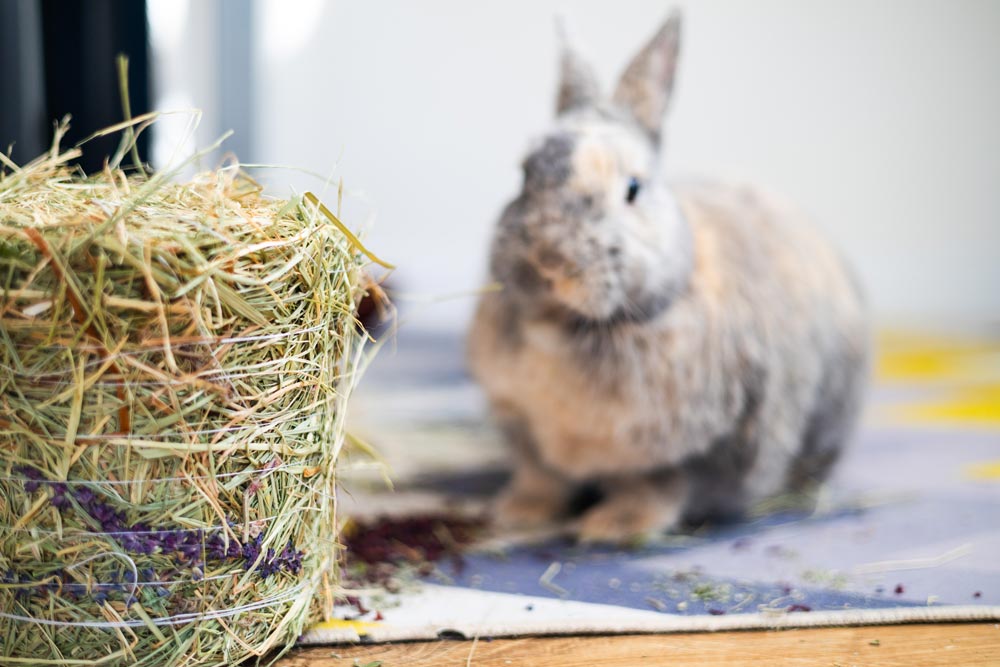
Now in its 20th year, Rabbit Awareness Week (22-26 June 2026) is focusing on nutrition – one of the most persistent welfare gaps facing the UK’s 800,000 pet rabbits. The data shows progress, but diet remains the issue vets most commonly identify as the single biggest concern for this frequently misunderstood species.
Twenty Years of Rabbit Awareness Week
Rabbit Awareness Week (RAW) was established in 2006 to improve the lives of pet rabbits through owner education. Now in its 20th year, the campaign is delivered by the Rabbit Awareness Action Group (RAAG) – a coalition including Burgess Excel, the Rabbit Welfare Association and Fund, Blue Cross, Woodgreen Pets Charity, Raystede, and the RSPCA. Progress over two decades has been real: the proportion of rabbits living alone has fallen from 67% in 2011 to 42% in 2024, and neutering rates have risen from 37% to 61%. Housing remains a challenge – 22% of rabbits are still kept in inadequate accommodation. This year’s theme, Feeding Bunnies Better, is backed by a refreshed campaign identity, with a new logo reflecting the importance of companionship and updated mascots in realistic everyday scenarios.
The Nutrition Problem
42% of vets identify poor diet as the single biggest welfare issue in the rabbit population. Despite sustained educational efforts, less than three-quarters of owners feed hay as a main food source, and almost one in five rabbits is still fed a muesli-style mix as a primary diet.
The clinical consequences are well established. Rabbits are hindgut fermenters whose teeth grow continuously, worn down naturally by the grinding action required to process long-strand fibre. Low-fibre, high-starch diets disrupt both systems at once. Research at the Royal (Dick) School of Veterinary Studies linked muesli feeds to life-threatening dental and digestive disease; subsequent studies confirmed that rabbits fed muesli mixes showed early dental pathology even when hay was also available. The mechanism is selective feeding: rabbits consume the sweeter, less fibrous elements of a mix, producing an imbalanced diet that leads to dental disease, gut stasis, obesity, and in serious cases, death. A rabbit that stops eating for 12 hours or more is in a medical emergency requiring same-day veterinary contact.
The evidence-based model RAW is promoting is straightforward: 85-90% hay or fresh grass, 10% leafy greens, and a small daily measure of quality pellets. Muesli mixes should be avoided entirely.
The Wider Welfare Picture
The UK rabbit population fell from 1.1 million in 2023 to 800,000 in 2024, continuing a longer downward trend partly reflecting greater awareness that rabbits are not low-maintenance pets. They can live eight to twelve years, require companionship, and need space for natural behaviours. In 2024, 50% of UK rabbits were not having their companionship needs met. Unneutered females carry around a 90% lifetime risk of uterine cancer, making spaying one of the most impactful preventive interventions available.
Veterinary engagement lags significantly behind dogs and cats: only 79% of rabbits are registered with a vet, and rabbits are substantially less likely to receive vaccinations or preventive healthcare. This matters clinically – RVHD variants 1 and 2 and myxomatosis are vaccine-preventable. Flystrike is a particular summer risk, with larvae capable of causing fatal tissue damage within hours; it warrants specific proactive communication from practices given the current heatwave conditions.
What Practices Can Do
RAW provides free resource packs, educational materials, and social content for veterinary teams. The 2026 nutritional theme maps directly onto consultations many practices will recognise: 2025 research in the Veterinary Record found dietary modification was recorded in only 21.5% of rabbit dental disease cases. This is a substantial missed opportunity, given that diet-driven dental disease is preventable. Proactive client communications this week such as waiting room materials, social media, email can prompt owners to review their rabbit’s diet and book a health check. With the campaign, the heatwave, and flystrike risk all coinciding, this is one of the timeliest moments in the calendar for practices to bring rabbit welfare into focus.