China’s 2024 Gastroenterology Report: marked progress in endoscopy quality and disease management
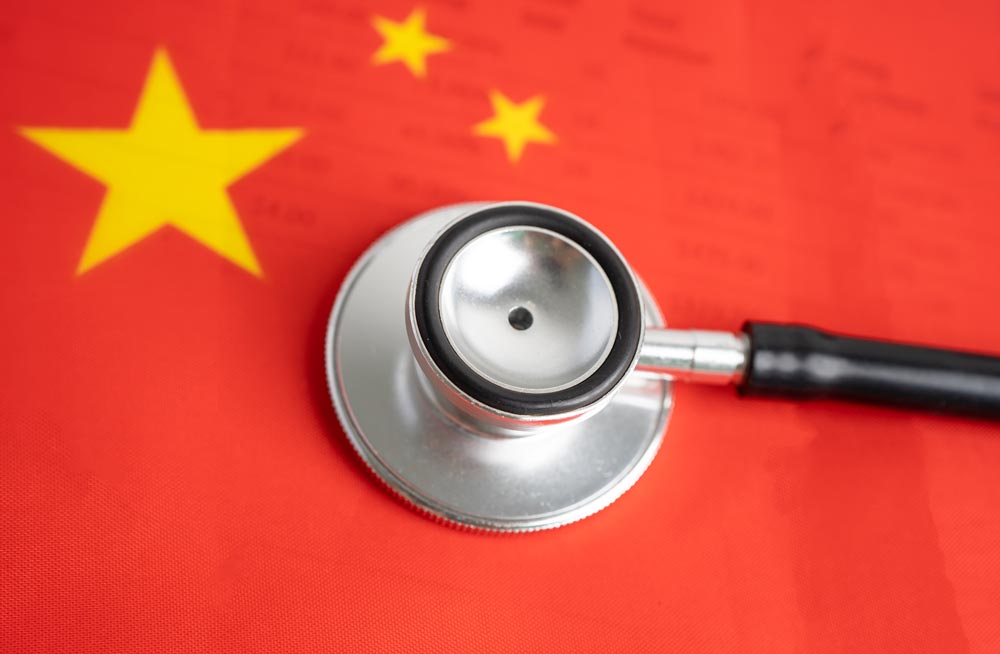
China has achieved significant advancements in gastroenterology and digestive endoscopy, according to the 2024 national report published in the Chinese Medical Journal. Drawing data from the National Clinical Improvement System (NCIS) and Hospital Quality Monitoring System (HQMS), the study provides a comprehensive overview of care quality and accessibility across 4,620 NCIS and 7,074 HQMS-participating hospitals.
In 2023, hospitals nationwide averaged 37.3 gastroenterology beds, 9.6 gastroenterologists, and 6.7 endoscopists per facility. Tertiary hospitals led in resource allocation, with 58.4 beds and 16.5 gastroenterologists each. Outpatient visits reached 89 million nationwide, and digestive disease hospitalizations totaled 11.4 million, reflecting improved medical accessibility.
Key progress includes a sharp rise in early gastrointestinal (GI) cancer detection: the proportion of early-stage cases among all GI cancers jumped from 11.1% in 2015 to 23.4% in 2023. Colonoscopy quality indicators also improved—adenoma detection rate (ADR) rose from 19.3% (2019) to 26.9% (2023), and cecal intubation rate reached 96.2%, surpassing international averages.
For priority diseases (acute pancreatitis, GI bleeding, inflammatory bowel disease [IBD], cirrhosis), hospitalizations increased between 2019 and 2023, while 31-day unplanned readmission rates declined. Median hospitalization costs fell for three conditions: acute pancreatitis (−26.1% in tertiary hospitals), GI bleeding (−11.7%), and cirrhosis (−8.1%). However, IBD costs rose by 11.9% in tertiary hospitals, linked to wider use of expensive biological agents.
Digestive endoscopy volume grew 14% since 2019, with 43.3 million procedures in 2023. Tertiary hospitals performed the most advanced techniques, including 83.7% of endoscopic submucosal dissection (ESD) and 90.5% of endoscopic retrograde cholangiopancreatography (ERCP). ESD complete resection rate reached 96.0%, and ERCP stone extraction rate for <1 cm stones hit 95.2%.
Despite progress, regional disparities in early cancer detection persist, and IBD care costs remain a challenge. The report calls for strengthening screening programs, training endoscopists, and optimizing resource allocation in underdeveloped regions.
Reference
DOI: 10.1097/CM9.0000000000003810